To-Do
Doing
Done


WP5
Guidebook

WP4
e-Game

WP3
EAS Courses

WP2
Best practises
To-Do
Doing
Done

Task 2.1
To create the questionnaires, the project team have been researching existing questionnaires and matching the results with the focus groups’ (companies’ needs) analysis. The result is a set of guidelines for implementing the questionnaires.
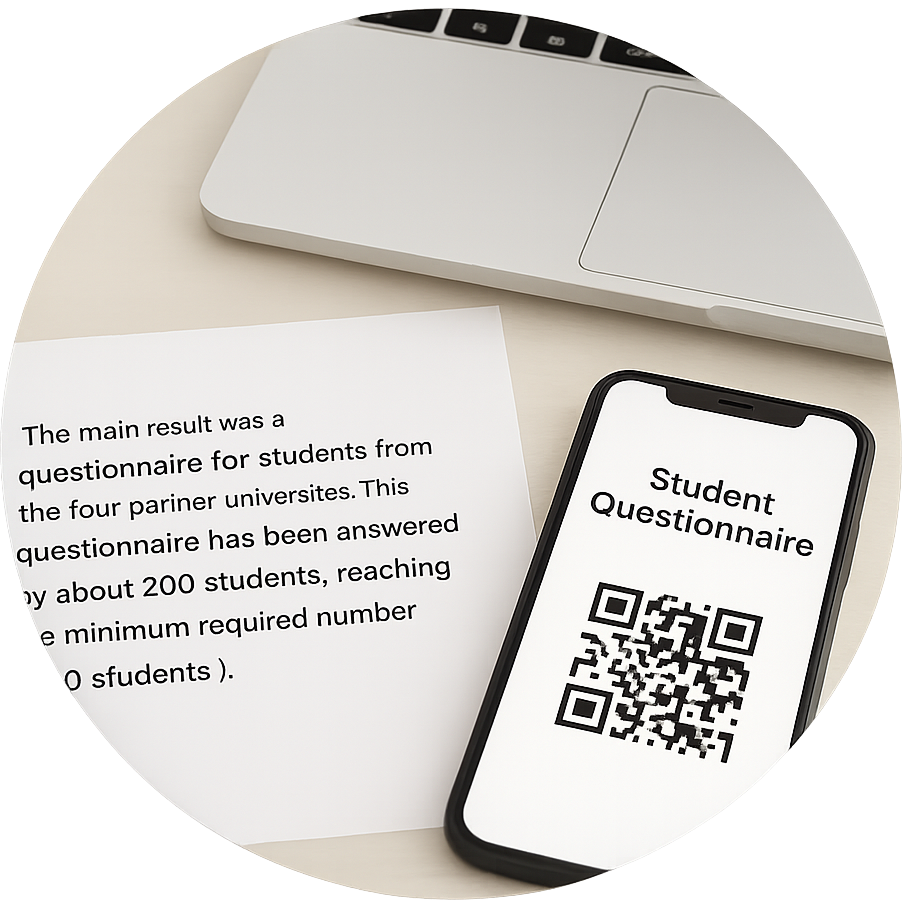
Task 2.2 (activity 1)
(Activity 1). The main result was a questionnaire for students from the four partner universities. This questionnaire has been answered by about 200 students, reaching the minimum required number (120 students). It is possible to access the questionnaire via this link.
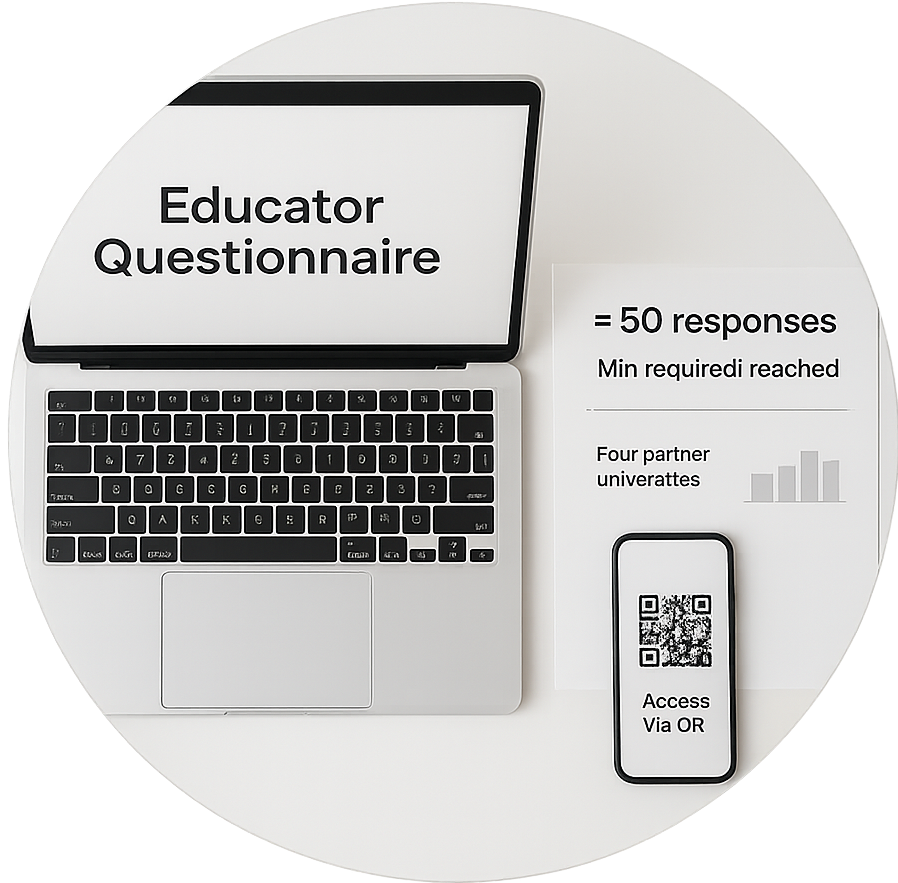
Task 2.2 (activity 2)
(Activity 2), results in a questionnaire for educators from the four partner universities. This questionnaire has been answered by about 50 professionals, achieving the required minimum. It is possible to access the questionnaire via this link.

Task 2.3
Consisted of the analysis of the results of the questionnaires. A matrix of results is available for four universities and two collectives. The results show a high level of interest on the part of the students and a pleasing willingness on the part of the educators. These results are currently being published.

Task 2.4
The focus groups were organised following a guide developed by the project team, and all the planned groups were carried out. The guide is in the process of being published.

Task 2.5
The results of the surveys were reviewed by analysing the texts and transcripts of the conversations. These results have been compared with the results of the surveys to generate good practices. The comparison is one of the publications currently in progress.

Task 2.6
Forming the best practises. The previous results, once analysed, provide a series of relevant topics. The topics give rise to a series of good practices for responsible leaders to follow. The topics of relevance can be found here (link).
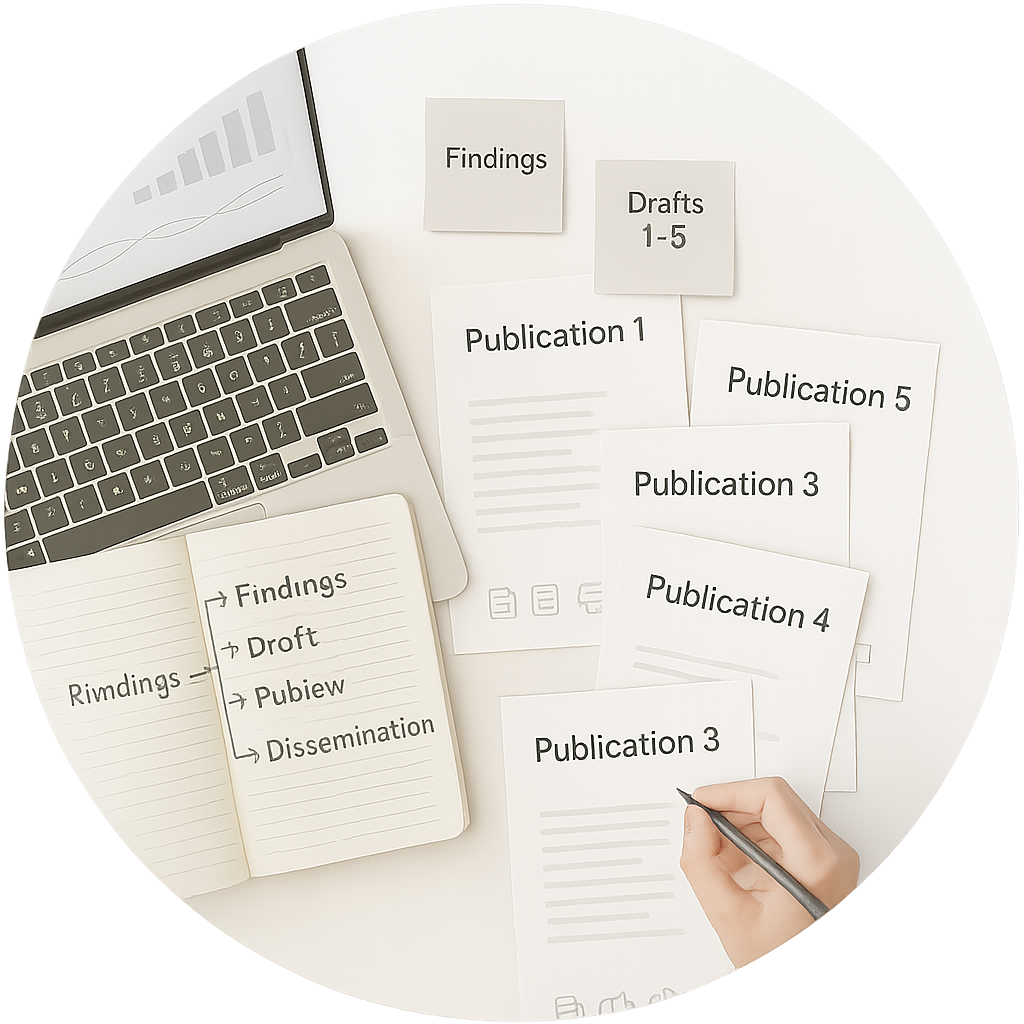
Task 2.7
Writing the five publications based on the findings will form the actual articles and other publications for dissemination purposes.
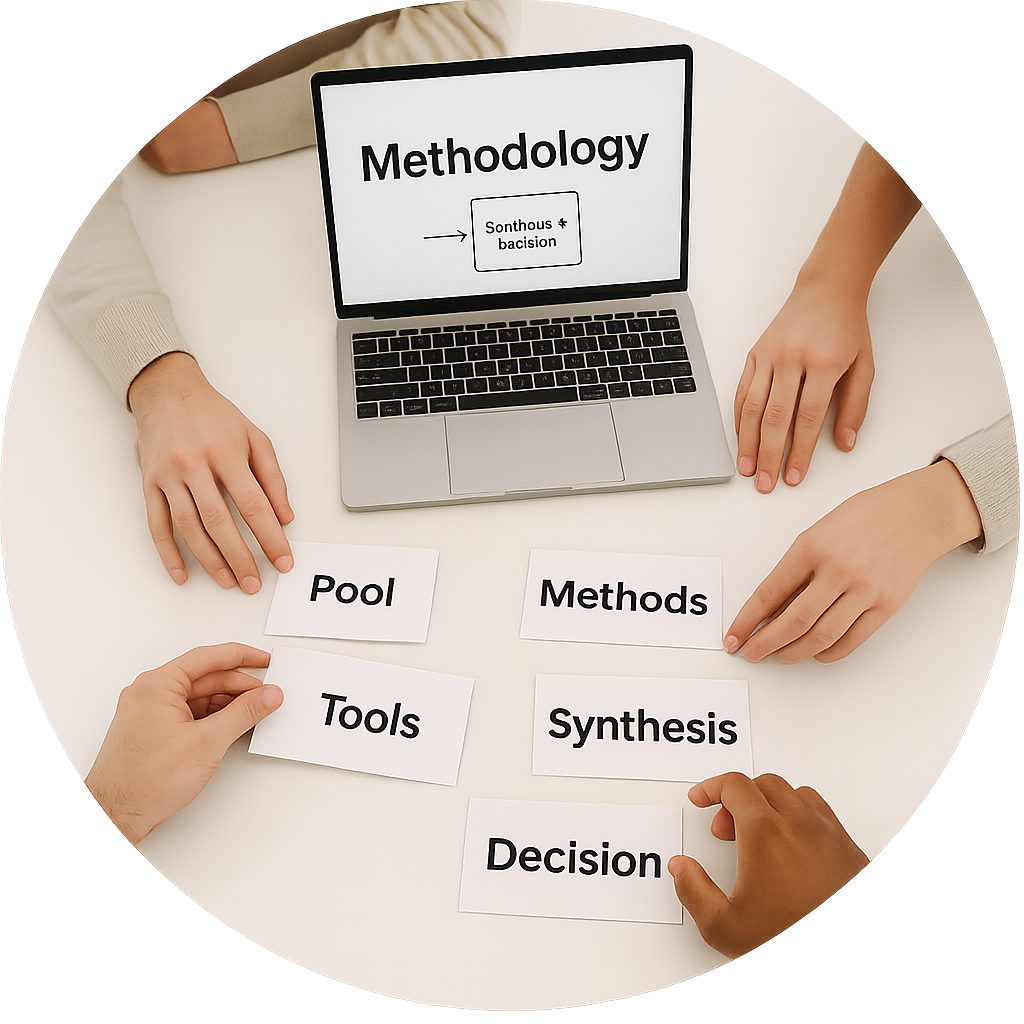
Task 3.1
Preparing methodology: the outcome of this activity is a pool of multiple pedagogic tools and innovative methods that may support comprehensive project management education. It provides the basis for a deeper synthesis and the final decision process.

Task 3.2
Preparing contents: the outcome of this activity is a pool of relevant technical content and decision criteria.

Task 3.3
Co-creation of the courses: The results will be three 1 ECTS EAS courses covering the topics of fundamentals of well-being at work, responsible leadership and team job-crafting.

Task 3.4
Piloting the courses: The outcomes of the intensive course with students is the detailed data and answers to questions like: What works well? What does not work well? Why? What should we keep? What should we improve?.

Task 3.5
Finalising the courses: The outcomes of this task are three easy-to-use EAS courses in responsible project management for HEIs.

Task 3.6
Collecting the process evaluation data and experiences of this development process for articles: This activity results in three scientific or professional publications.

Task 4.1
Establishing RESPRO eTool frame: the consortium expects that the development phase has been developed carefully, concerning project risks and sustainability, meaning that the project doesn’t have to make changes in the technical development phase.

Task 4.2
Technical Development: a working version of the RESPRO e-tool/game, ready to be used and distributed.
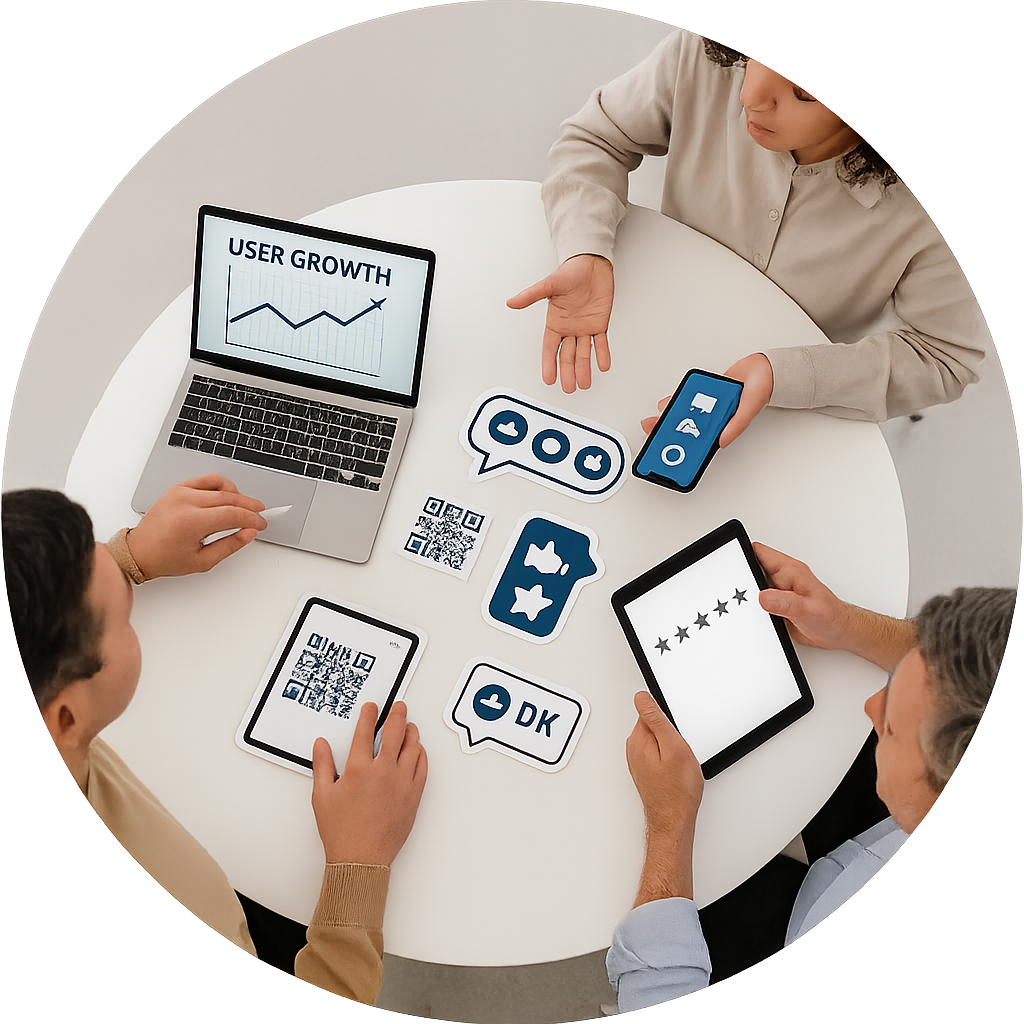
Task 4.3
Dissemination and user intervention. Focuses on dissemination and actions, which are supporting the end-user, thus the main expected result is an increased number of users, as well as increased satisfaction of the end-user.

Task 5.1
The guidebook must have a very clear content index in which all the contents of the previous WP are sequenced so that they can be learned by the target group, from the end of the project. It should also be clear how each content block will have its corresponding dissemination element for non-professional audience.
Task 5.2
Forming guidebook: the result is a compendium of texts that group the concepts and the framework of the project. .
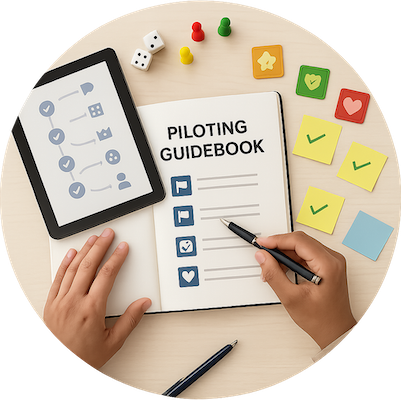
Task 5.3
Piloting guidebook: the instructions on how to follow the EAS and how to replicate gamification to teach responsible leadership to reach a well-being project team.
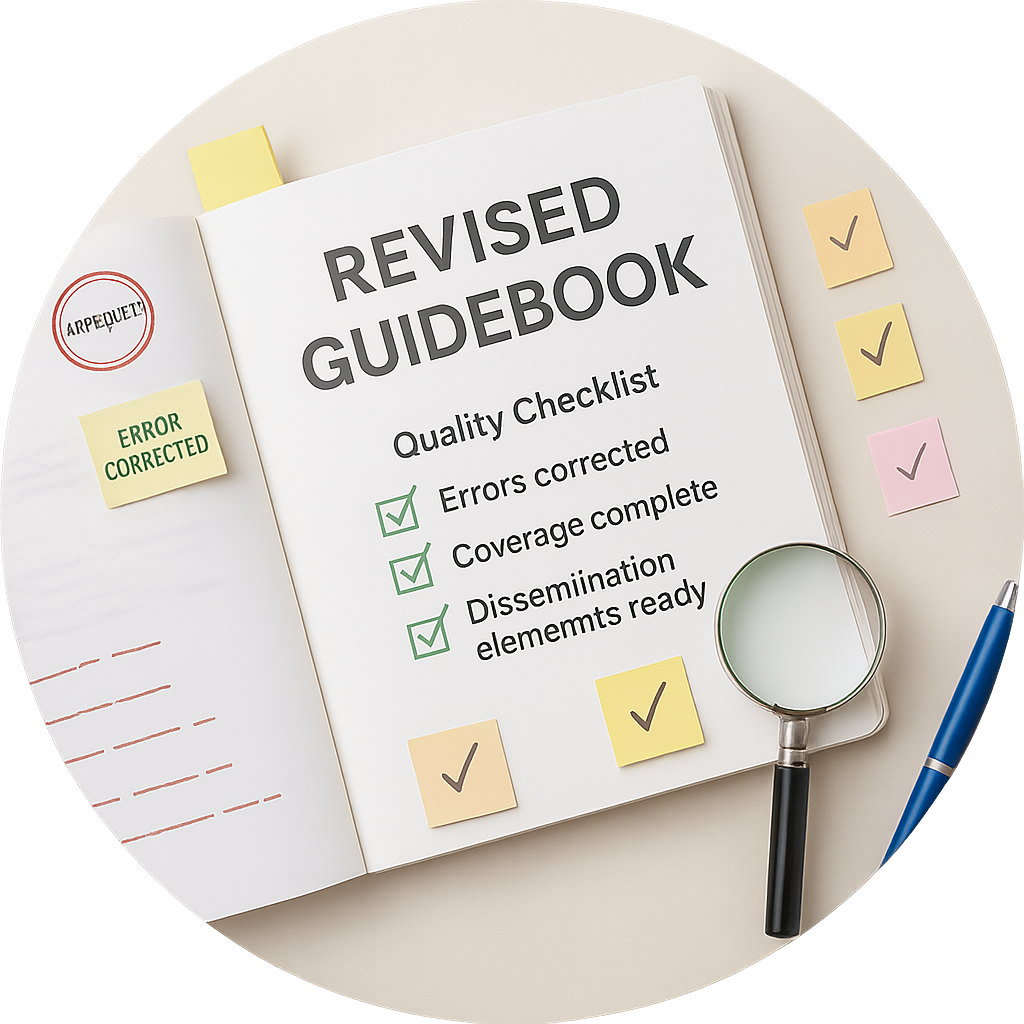
Task 5.4
Revised guidebook: a vertion to ensure the absence of errors, all contents of the first task are covered.
Task 5.5
Publishing: at the end of the task, the publication by the publisher of the academic version as well as the online material will constitute the WP output.